

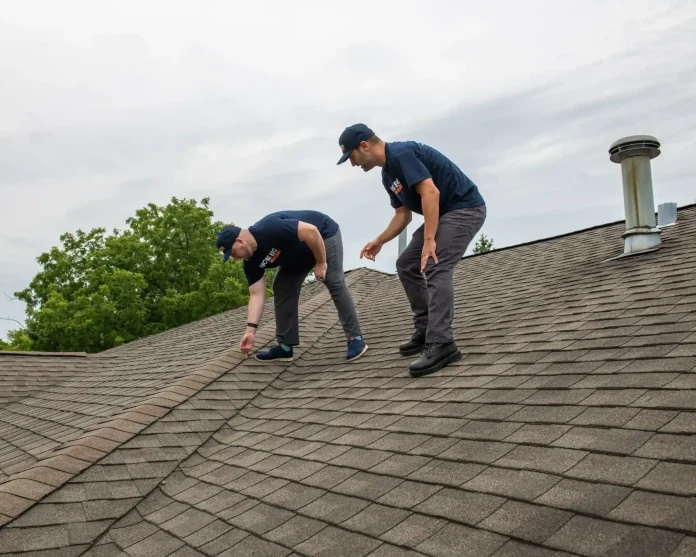
A proper Suntuf installation does not mean the work is over for the homeowner. The homeowner should properly maintain the roof panels to ensure they are in good condition. Regular cleaning, checking fasteners and seals, keeping drainage clear, and not placing direct pressure on Suntuf prevent leakages and damage. Records of UV wear, surrounding roof components, routine maintenance after Suntuf installation, and professional inspection will extend the life of the panels and ensure their future performance.
Top Maintenance Strategies for Suntuf Roof Panels Post-Installation
The following are some strategies that a property owner should consider:
- Routine Cleaning and Debris Removal
Cleaning the panels regularly is one of the most important cleaning processes. The leaves, twigs, bird droppings, and dirt can cover the roof. Gradually, this debris captures moisture or creates spots. Cleaning will help the roof remain functional and appealing. To clean the debris:
- Use a soft sponge or cloth, warm soapy water, and rinse gently with low-pressure water.
- You should avoid using a rough brush or chemicals.
- Cleaning twice a year is a good rule when there is no heavy foliage or dusty environment.
- Inspect Fasteners, Seals, and Flashings
Fasteners (screw or bolt), rubber washers, edge seals, and flashing are also essential to making the roof waterproof and tight. In the long run, the rubber washers beneath the fasteners may collapse, the screws may loosen, and the sealant around the flashing will crack or peel open.
- Make sure the screws and washers are checked annually.
- Tighten them occasionally (do not deprive yourself of it).
- When a seal around the flashing appears cracked, repair it sooner rather than later.
Resolving small problems can prevent bigger problems from developing.
- Manage Drainage and Prevent Water Accumulation
A key factor contributing to long-term performance is good drainage. Water pooling on the roof or valley can gather dirt and even stains. To avoid this:
- Keep gutters and downpipes free of debris.
- Ensure that the roof slope meets the minimum recommendation (for example, at least 1½” rise in 12″ run for some installations).
Proper drainage helps the panels shed rain and reduces stress from standing water.
- Avoid Surface Damage and Thermal Stress
Surface damage—such as scratches, gouges, or cracks—reduces performance and appearance. The manufacturer warns against using sharp objects, abrasive brushes, or ammonia-based cleaners on Suntuf panels.
Another threat is thermal stress: panels increase and decrease during temperature changes. Sheets can warp or buckle if the fastening system is too tight or the support system is overly stiff. Therefore, it is noteworthy that correct clearance in spacers and fastening should be permitted during installation.
This assists in minimizing the extensive maintenance in the future.
- Monitor for UV Damage and Discoloration
Since the panels are exposed to sunlight, the UV (ultraviolet) component may affect the material. Over time, the surface might yellow, fade, or become brittle.
- Check color change or clarity regularly.
- You should check for spotting, clouding, chalking (a powdery surface), or soft spots indicating early UV or weathering damage.
- You may look into replacing the affected panels or seeking help from a professional expert.
- Maintain Adjacent Roof Components
Your panels don’t exist in isolation — gutters, flashing, purlins (the supporting bars), and framing all affect how this roof performs. If a gutter overflows onto a panel edge or a flashing comes loose, your panels will feel it.
So, during your checks, glance at the supporting frame: Is any wood warping? Are metal brackets cracking? Are the edges sealed properly? Keeping these parts in decent shape boosts the panels’ life, too.
- Record Keeping and Regular Review
Make a quick note after you clean, inspect, or fix something. It could be on your phone, notebook, or whatever works.
Then, review the log every six months or so. See if any part keeps needing attention. Maybe that one corner always gets debris, or one screw loosens often. That insight helps you be proactive instead of scrambling after something breaks.
- Avoid Walking on Suntuf Panels
As mentioned earlier, walking or standing directly on the panels is risky. Once installed, the panels should not be walked on unless you use strong boards across multiple supports. If you ever need to access the roof (for servicing gutters, vents, etc.), use proper crawl boards that span rafters so the load bypasses the sheet itself. This prevents damage from localized loading.
- Schedule Professional Inspections
Even if you’re doing your own maintenance, an inspection by a roofing professional every few years is a smart decision. They’ll see problems you might miss, such as hidden leaks, joint fatigue, and structural issues beneath the panels. A short visit now often saves you from big repair bills later. Plus, it helps if your warranty has maintenance requirements. The manufacturer states that their limited lifetime warranty applies only if the panels are installed, used, and maintained per their recommendations.
Conclusion
A Suntuf panel roof will serve its purpose if well-installed and maintained. The most important maintenance methods include regular cleaning, checking on fasteners and seals, ensuring drainage, avoiding surface and thermal stress, and monitoring UV damage. Other strategies include record keeping, avoiding walking, and professional inspections after Suntuf installation, which are vital for your care plan. This simple, consistent care plan will help the homeowner keep the roof strong, durable, and effective for years.

