
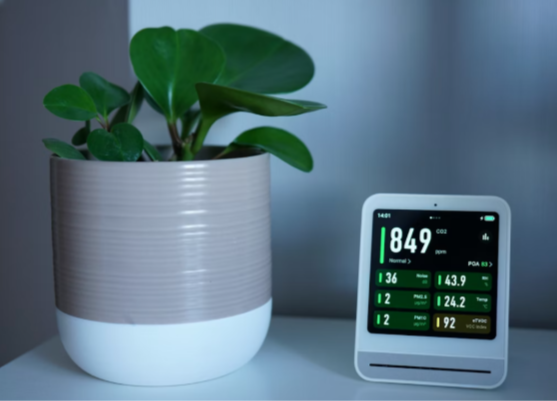
Good indoor air quality is essential for a healthy and comfortable living environment. Pollutants, dust, allergens, and bacteria can accumulate indoors, affecting respiratory health, sleep quality, and overall well-being.
Maintaining clean, fresh air requires proactive measures, from regular ventilation to proper maintenance of HVAC systems. Integrating professional services like AC servicing and air duct cleaning ensures that your home’s air remains safe and comfortable year-round.
Regular Ventilation
Proper ventilation is the foundation of healthy indoor air. Open windows and doors when weather permits to allow fresh air to circulate. Use exhaust fans in kitchens and bathrooms to remove excess moisture, odors, and airborne particles. Ventilation helps dilute indoor pollutants and prevents the buildup of carbon dioxide, mold, and allergens.
Monitor Humidity Levels
Maintaining appropriate indoor humidity—ideally between 30% and 50%—prevents mold growth and reduces dust mites. High humidity can promote mildew, while very low humidity can irritate the respiratory tract and dry out skin. Dehumidifiers, humidifiers, and proper ventilation can help maintain balanced humidity levels, supporting overall air quality.
Regular Cleaning and Dust Control
Dust, pet dander, and other particles accumulate on surfaces and in fabrics. Regular dusting, vacuuming with HEPA filters, and washing bedding and curtains reduce allergens and prevent them from circulating in the air. Keeping floors and surfaces clean minimizes the overall pollutant load indoors.
AC Service
Your air conditioning system plays a crucial role in maintaining indoor air quality. Regular AC service ensures that filters, coils, and condensers are clean and functioning efficiently. Clogged or dirty AC components can circulate dust, mold spores, and bacteria throughout your home.
Professional AC servicing includes filter replacement, coil cleaning, refrigerant checks, and inspection of airflow, all of which help maintain fresh, healthy air while improving system efficiency and lowering energy bills.
Air Duct Cleaning
Air ducts act as the pathways for conditioned air to travel throughout your home. Over time, dust, debris, and allergens can accumulate in the ductwork, reducing air quality and system efficiency. Air duct cleaning removes these contaminants, preventing them from being recirculated indoors. Clean ducts also support better airflow, reduce odors, and minimize respiratory irritants, contributing to a healthier living environment.
Use High-Quality Air Filters
Investing in high-efficiency air filters, such as HEPA filters, can significantly reduce airborne particles. Replace filters regularly according to manufacturer recommendations to ensure optimal performance. High-quality filters trap dust, pollen, mold spores, and other allergens, keeping the air clean and protecting your HVAC system.
Control Indoor Pollutants
Minimize sources of indoor pollution by avoiding smoking indoors, using low-VOC paints and cleaning products, and properly storing chemicals. Ensure gas appliances are vented correctly to prevent carbon monoxide buildup. Regular maintenance of these sources reduces the introduction of harmful pollutants into your home environment.
Introduce Indoor Plants
Certain indoor plants can naturally improve air quality by filtering toxins and increasing oxygen levels. Plants like spider plants, peace lilies, and snake plants help remove formaldehyde, benzene, and other common indoor pollutants, while also adding a natural aesthetic to your living space.